
Villa Jerada Estate Olive Oil
Created for Villa Jerada’s 15th Anniversary
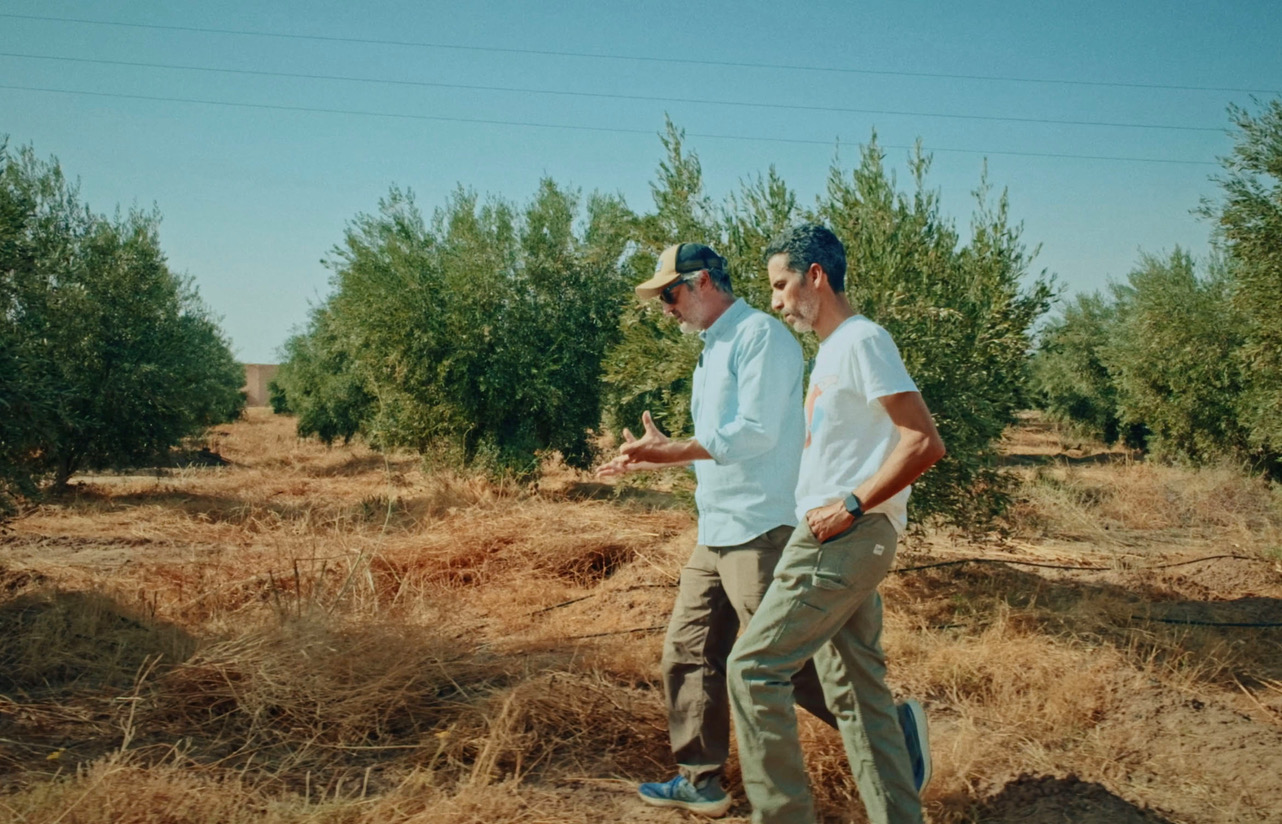
Mehdi Boujrada went to Morocco last October with a plan. Villa Jerada was turning 15, and after years of working with Moroccan producers he wanted an oil that came from the place, the people, and the traditions he grew up with. He brought samples to an old friend who farms olives in the foothills of the Atlas Mountains and asked him to make an oil like them.
The friend said no. “He told me, I’m sorry, I can’t do that. All I know how to do is harvest my olives and crush them,” Mehdi says. “I was a little disappointed at first. Then I tasted his oil and said, you know what, this is actually amazing. I’m glad you keep it simple.”
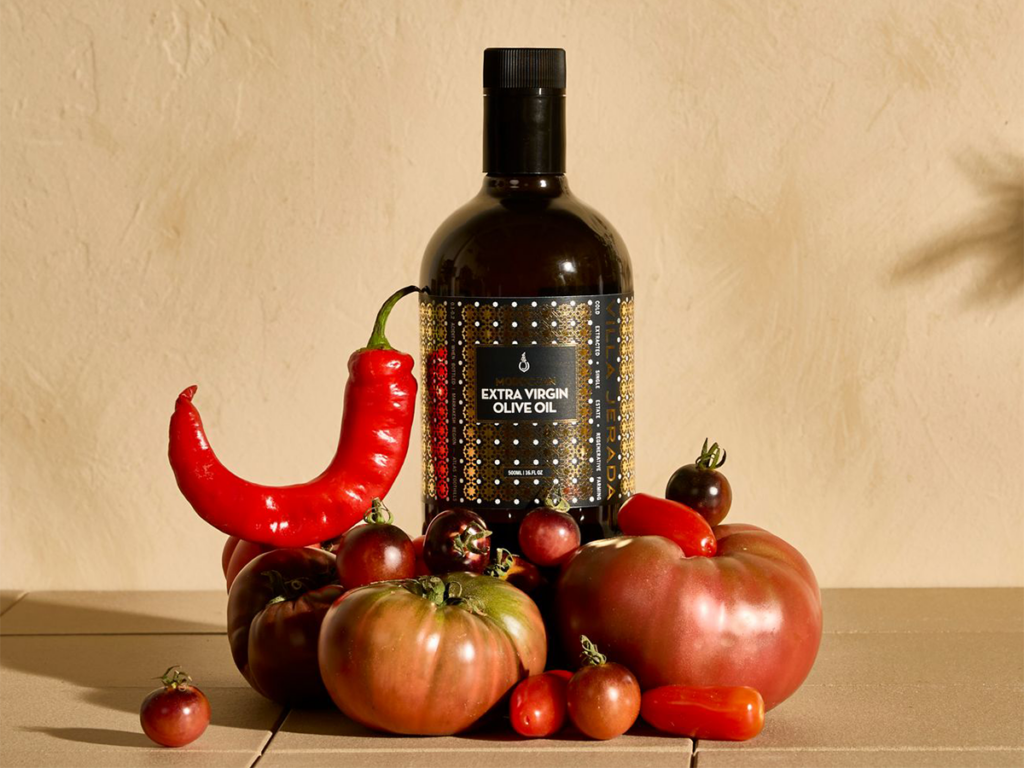
That oil is now on our shelves. Villa Jerada’s Extra Virgin Olive Oil is made from Moroccan Picholine olives grown on a single estate in the Atlas foothills. The farm is certified for organic production and follows regenerative practices. Plants grow between the trees, and animals borrowed from neighboring farms handle the weeds. The olives are picked by hand and pressed in small batches.
Mehdi grew up by the beach in Casablanca. He was a bodyboarder, his friend was a surfer, and they knew each other from the water. For years they talked about doing something together. The friend had gone to Napa Valley to work in wine, then went home to his parents’ estate and its old olive grove. He and his sisters took it on.
Mehdi’s story runs the other way. He left Morocco at 18 for the surf culture he had seen on MTV and settled in Seattle, where he had family. He started Villa Jerada in 2011 with a Moroccan olive oil and a Vespa, selling door to door to chefs. His mother helped him work out the harissa that became the company’s best-known product. DeLaurenti has carried the line since that first year.
Moroccan olive oil doesn’t taste like the Italian oil most of us are used to. “It’s not as grassy and bitter as some of the European olive oils,” Mehdi says. “Very fruity, a lot of nice herbaceous notes.” This one is fruity and green with a peppery finish. Picholine is the traditional Moroccan olive, high in polyphenols and more work to grow than the varieties big farms plant for yield. “A lot of olive oils have become like the beef industry. Six, seven different countries, four different types of olives. They might taste fine, but there’s no identity, no place they come from.”

Elyse Hoang, our Deli Manager and Buyer, went to the release party this summer. “Annabel and I went, and they served it with savory dishes and sweet ones. It was delicious on everything,” she says. “It’s in the store now, and I want people to try it.”
This is an oil for every day, not one to save for a special occasion. Pour it over tomatoes, grilled vegetables, fish, eggs, and salads. Dip warm bread in it. Finish a tagine, a soup, or a grain bowl. Then, as Elyse suggests, try it with sweet things: a spoonful over vanilla ice cream or a slice of olive oil cake. Check out Villa Jerada’s Olive Oil Cake recipe here.
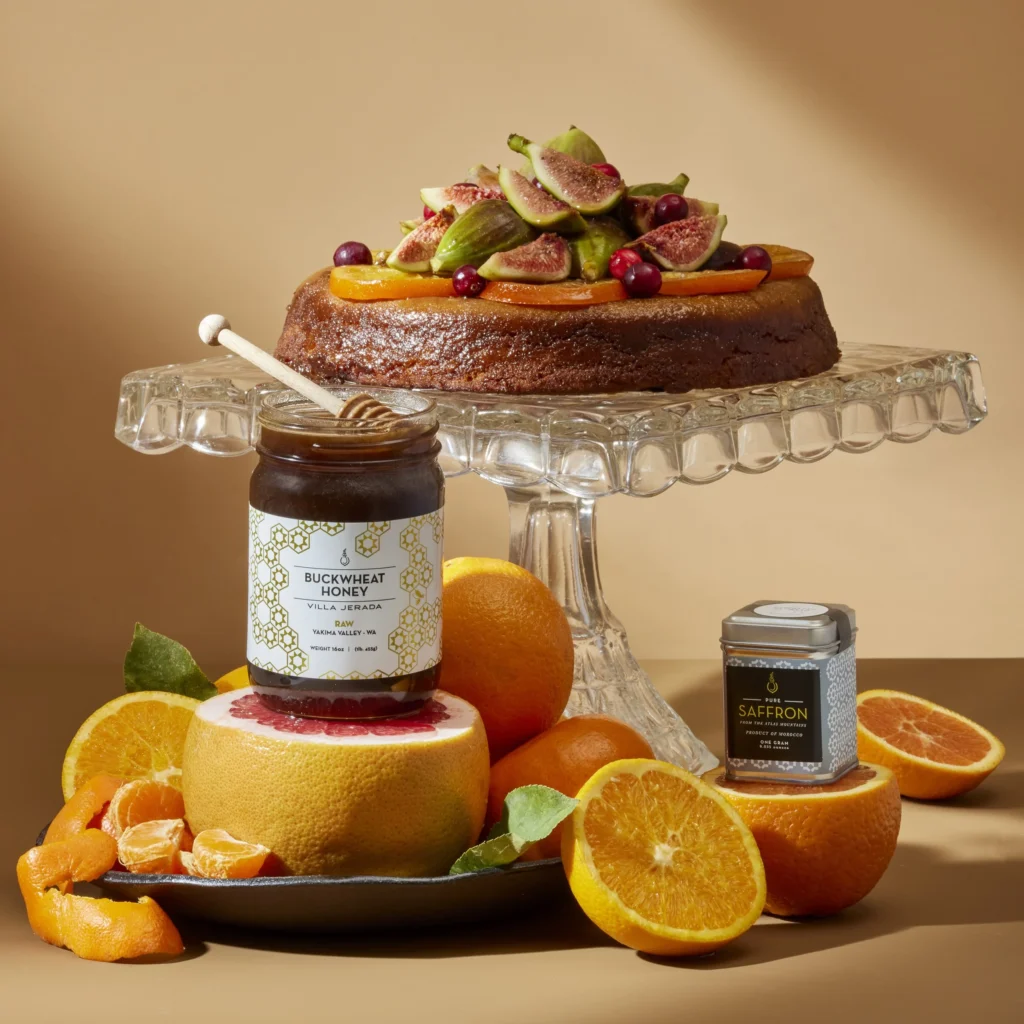
Villa Jerada’s prize-winning harissa and chermoula are on our shelves, along with tahini, preserved lemons, cured olives, Saffron Rose Tea, spices, and more. You can find the full list on our website.